
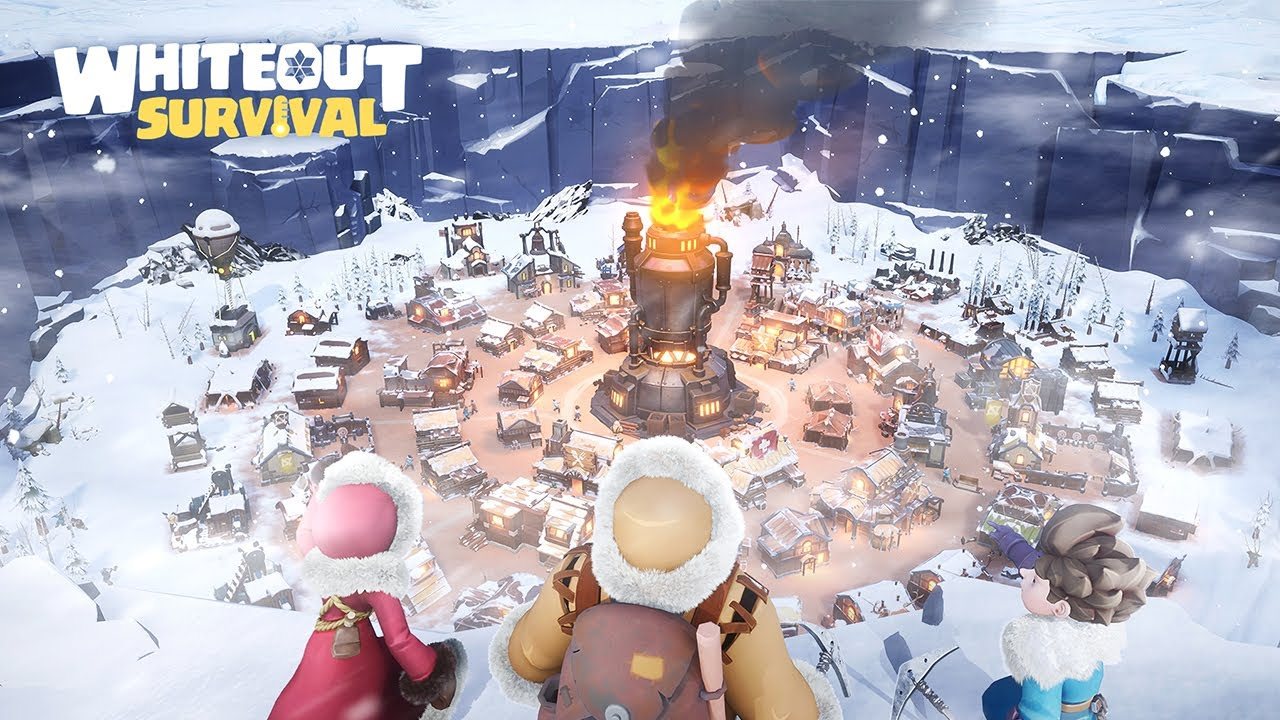
Whiteout Survival's competitive scene is brutal and honest in a way that mobile strategy games often aren't. In Alliance Wars and during server-wide Blizzard events, the power gap between efficiently-spending players and inefficiently-spending players shows up in immediate, concrete ways: lost battles, lower event rankings, missed rewards. There's no hiding behind a bad spend in Whiteout Survival.
This guide is for players who've moved past the basic settlement phase and are thinking seriously about how to invest in the game. We'll break down the difference between Gems and Frost Stars, identify the purchases that generate lasting competitive power, and explain why the platform you buy through matters more than most players realize.
Gems vs. Frost Stars: Know the Distinction
Whiteout Survival operates two currencies at different power levels, and treating them as equivalent is a common and expensive mistake.
Gems are the general-use currency. They're earnable through gameplay — daily missions, event participation, Alliance gifts, login rewards. Gems cover standard shop purchases: basic resource packs, some hero shards, certain limited-time bundles. A dedicated free-to-play player can accumulate meaningful Gem reserves over time, and there's real value in this currency pool. Don't dismiss it.
Frost Stars are the premium currency and unlock categorically different content. The highest-tier hero gear, the rarest Gacha bundles, Blizzard-tier event purchases — these are Frost Star territory. More importantly, Frost Stars are the currency that makes time-sensitive decisions possible. When a limited-time Gacha Hero Bundle appears for 48 hours and you need to act fast, Frost Stars are what let you act. Gems might not cover it, and waiting isn't an option.
The practical difference: Gems sustain your development at a baseline pace. Frost Stars create power spikes and give you access to content that determines competitive outcomes.
The Monthly Card: The Most Underrated Purchase in the Game
Ask experienced Whiteout Survival players what single purchase they'd recommend to a new spender, and the answer is almost always the Monthly Card. It's not the flashiest item in the shop. It doesn't give you a powerful hero or a dramatic immediate boost. What it does is deliver daily Frost Stars and Gems consistently over 30 days, and the accumulated total significantly exceeds what you'd get from a one-time purchase of equivalent cost.
The Monthly Card is a compounding investment. Day one, the boost feels modest. Day 30, you've built a resource cushion that lets you participate in Gacha events, absorb Blizzard event costs without depleting your reserves, and maintain steady troop training. Players who maintain an active Monthly Card consistently outpace those who make sporadic larger purchases, even when the total spend is comparable.
If you're going to spend in Whiteout Survival, get the Monthly Card first and keep it active. Everything else is built on top of that base.
Hero Gear: Where Mythic Power Actually Comes From
Hero Gear is where the game's PvP power ceiling is set. Your heroes lead your armies and provide passive bonuses to troop attack, defense, and march speed — and at higher gear tiers, those bonuses become the primary determinant of combat outcomes between players at similar Furnace levels.
The gear tier hierarchy matters. Standard gear provides modest bonuses. Elite gear is a meaningful step up. Mythic gear is the top of the stack, and the performance gap between a hero in full Mythic gear and a hero in standard gear is large enough to turn a losing fight into a convincing win.
Hero Gear packs — the bundles that provide high-tier gear materials directly — are among the best Frost Star investments for PvP-focused players. Crafting Mythic gear through normal gameplay is a slow process. Gear pack purchases compress that timeline and mean your heroes are combat-ready for Alliance Wars before the server's competitive power structure fully calcifies around established players.
The window for new players to establish themselves in PvP is not infinite. Servers develop momentum, and dominant alliances tend to stay dominant once they've consolidated. Investing in hero gear early closes the gap while it can still be closed.
March Queue Unlocks: The Overlooked Combat Multiplier
Most players know about the second Construction Queue and its development value. Fewer think seriously about March Queue unlocks in the PvP context, which is a significant oversight.
Your March Queue determines how many simultaneous marches you can send — resource gathering, reinforcements, and attack marches. A player with one march queue can gather from one location, reinforce one ally, and attack one enemy at a time. A player with multiple march queues can do all of these simultaneously.
In Alliance Wars specifically, the ability to send multiple coordinated marches — attacking an enemy from multiple directions simultaneously while maintaining a defensive garrison — is a decisive tactical advantage. It's the difference between being a single-target threat and being an operational asset your Alliance Commander actually wants to coordinate with.
March Queue unlocks are available via Frost Stars and through certain event completions. Prioritize them once your hero gear baseline is established. The combined effect of Mythic-geared heroes plus multiple march queues is what the most feared players on any server are operating with.
Gacha Hero Bundles and Lucky Wheel: Timing Is Everything
Whiteout Survival runs limited-time Gacha Hero Bundles and Lucky Wheel events that offer heroes and rare resources at favorable rates — but only during the event window. These events appear with varying schedules and don't always give advance notice.
This is where the "prepaid credit" advantage of maintaining a Frost Star reserve becomes critical. Players who have Frost Stars ready when a premium bundle appears can act immediately. Players who need to purchase Frost Stars at the moment of a bundle's appearance face a real problem: the purchase flow takes time, payment methods can have friction, and a 48-hour window doesn't forgive delays.
The strategic approach is to always maintain a Frost Star buffer — enough to cover at least one significant bundle purchase — rather than spending down to zero and topping up reactively. This requires discipline when your reserves are full and a flashy but non-critical item appears. The reward for that discipline is never missing a genuinely valuable bundle because you needed three extra steps to fund it.
Purchasing Frost Stars through the Carry1st Shop makes maintaining this buffer more practical for players in Africa and supported regions. The shop supports local payment methods, eliminates the friction of international card transactions, and frequently carries regional bonuses on top-ups. The practical result is that your Frost Star purchasing process takes minutes rather than potentially triggering card security checks or failing on regional payment restrictions. For a game where timing genuinely matters, that reliability is worth something.
The Competitive Priority Stack
If you're investing in Whiteout Survival for PvP dominance, the purchase priority looks like this:
The Monthly Card is your foundation — activate it and keep it running. It funds everything else incrementally. Second, invest in Hero Gear packs targeting Mythic tier for your primary combat heroes before Alliance Wars become the dominant activity on your server. Third, unlock the second Construction Queue if you haven't already, since development speed directly translates to PvP readiness. Fourth, unlock March Queues to become a full operational asset in Alliance Wars. Fifth, maintain a Frost Star buffer specifically for Gacha Hero Bundle windows — never be caught flat when one appears.
The players who dominate Whiteout Survival's competitive layer aren't necessarily the ones who've spent the most in total. They're the ones who spent on the things that create sustained, compounding power — daily value through the Monthly Card, gear that multiplies their effectiveness in every battle, and the operational flexibility of multiple march queues. The settlement that survives the long winter isn't the one that burned hot for a week. It's the one that managed its fuel intelligently.


.svg)